Blog
Dental Filling Cost in JB: Price, Treatment Options & What to Expect
If you are looking for a dental filling in Johor Bahru, understanding the cost can help you plan your treatment with greater confidence. At Asiaa Dental, the current dental filling price is RM100–RM250 per tooth. The amount is charged per tooth, while the suitable treatment and filling material depend on the condition of the affected tooth and the dentist's assessment.
A dental filling is commonly used to restore a tooth affected by decay or other minor damage. However, not every damaged or painful tooth requires the same type of treatment. A dental examination helps determine how much of the tooth is affected, whether a filling is appropriate, and what type of restoration may be suitable.
This guide explains dental filling treatment in JB, including when a filling may be recommended, available materials, what happens during the procedure, factors that can influence treatment decisions, and what patients should know before and after getting a filling.
What Is a Dental Filling?
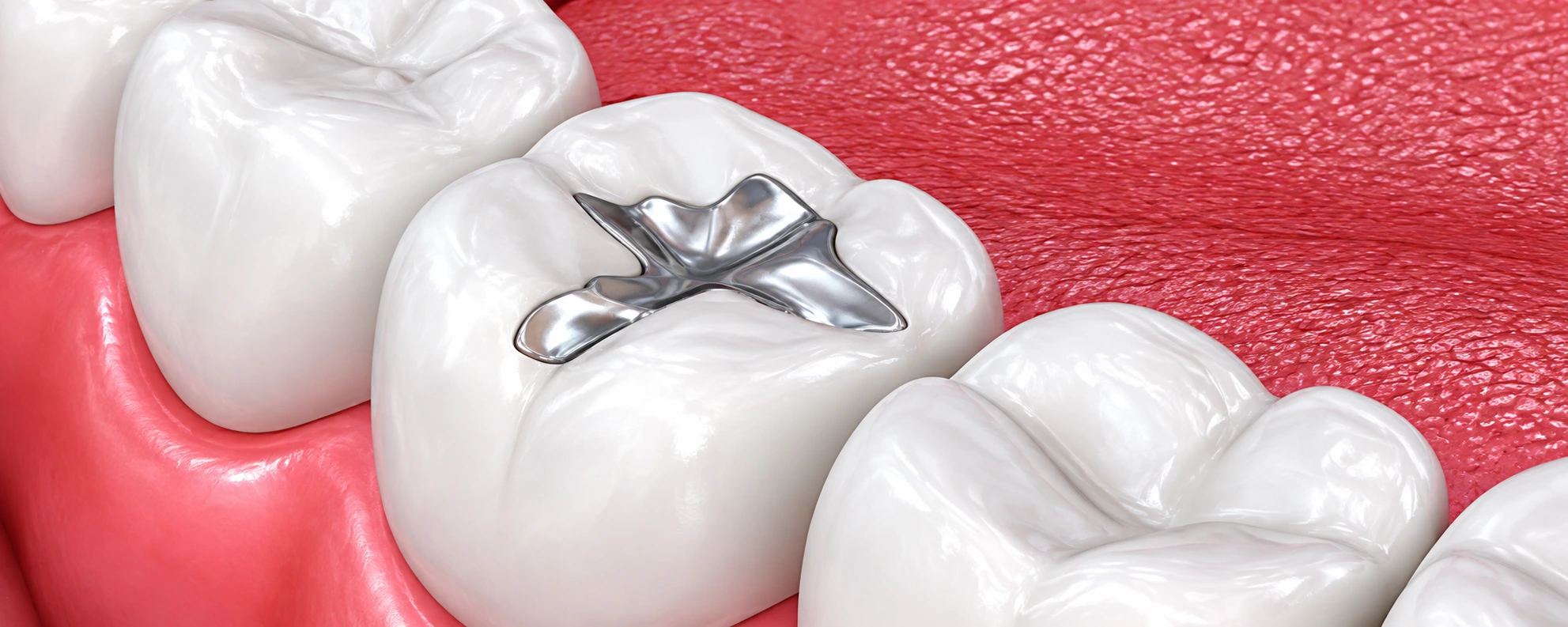
A dental filling is a restorative treatment used to repair a tooth after damaged or decayed tooth structure has been removed.
During treatment, the dentist removes the affected portion of the tooth, prepares the area, places a suitable restorative material, and shapes it so the tooth can function normally.
A filling can help:
-
Restore a tooth affected by a cavity
-
Replace lost tooth structure
-
Restore the shape of a damaged area
-
Improve chewing function
-
Protect the remaining tooth structure when appropriate
-
Improve the appearance of certain damaged or decayed teeth
A filling does not mean that every tooth problem is minor. The appropriate treatment depends on the extent and location of the damage.
When Might You Need a Dental Filling?
A filling may be considered when a tooth has a localized area of damage that can be adequately restored.
Common situations include:
Tooth Decay
Dental decay can progressively remove mineral and tooth structure. When the affected area has developed into a cavity that requires restoration, a filling may be used after the decayed portion has been removed.
Small Areas of Tooth Damage
A limited area of structural damage may sometimes be restored with a filling, depending on its location and extent.
Minor Chips or Fractures
Certain small chips or limited fractures may be repairable with a restorative material when enough healthy tooth structure remains.
Tooth Wear
Some areas of localized tooth wear may require restoration when they affect tooth structure, function, or other aspects of oral health.
Problems Around an Existing Filling
An older restoration may eventually require assessment if there is damage, deterioration, leakage, recurrent decay, or another concern around the restored area.
However, not every damaged or painful tooth needs a filling. A dental examination helps determine the cause of the problem and whether a filling is an appropriate restoration.
How Is a Dental Filling Done?
A dental filling usually involves several stages rather than simply placing material into a tooth.
1. Examination of the Tooth
The dentist first examines the affected tooth and evaluates the extent of the problem. Depending on the situation, additional diagnostic assessment may be required.
2. Preparing the Tooth
The affected area is accessed and prepared for restoration. If decay or damaged structure needs to be removed, this is carried out before the restorative material is placed.
3. Removing the Affected Structure
The dentist removes the portion of tooth structure that cannot be retained as part of the restoration while aiming to preserve healthy tooth structure wherever clinically appropriate.
4. Placing the Restorative Material
The selected filling material is placed into the prepared area using the technique appropriate for that material and the particular tooth.
5. Shaping the Restoration
The filling is shaped so that it restores the tooth's form and allows it to function properly.
6. Checking the Bite
The dentist checks how the restored tooth contacts the opposing teeth. Adjustments may be made if necessary so that the restoration does not interfere with normal biting.
7. Final Review and Aftercare Guidance
The dentist reviews the completed restoration and provides instructions relevant to the individual treatment.
The exact procedure can vary depending on the tooth, the extent of damage, the restorative material, and other clinical considerations.
What Types of Materials Can Be Used for Dental Fillings?
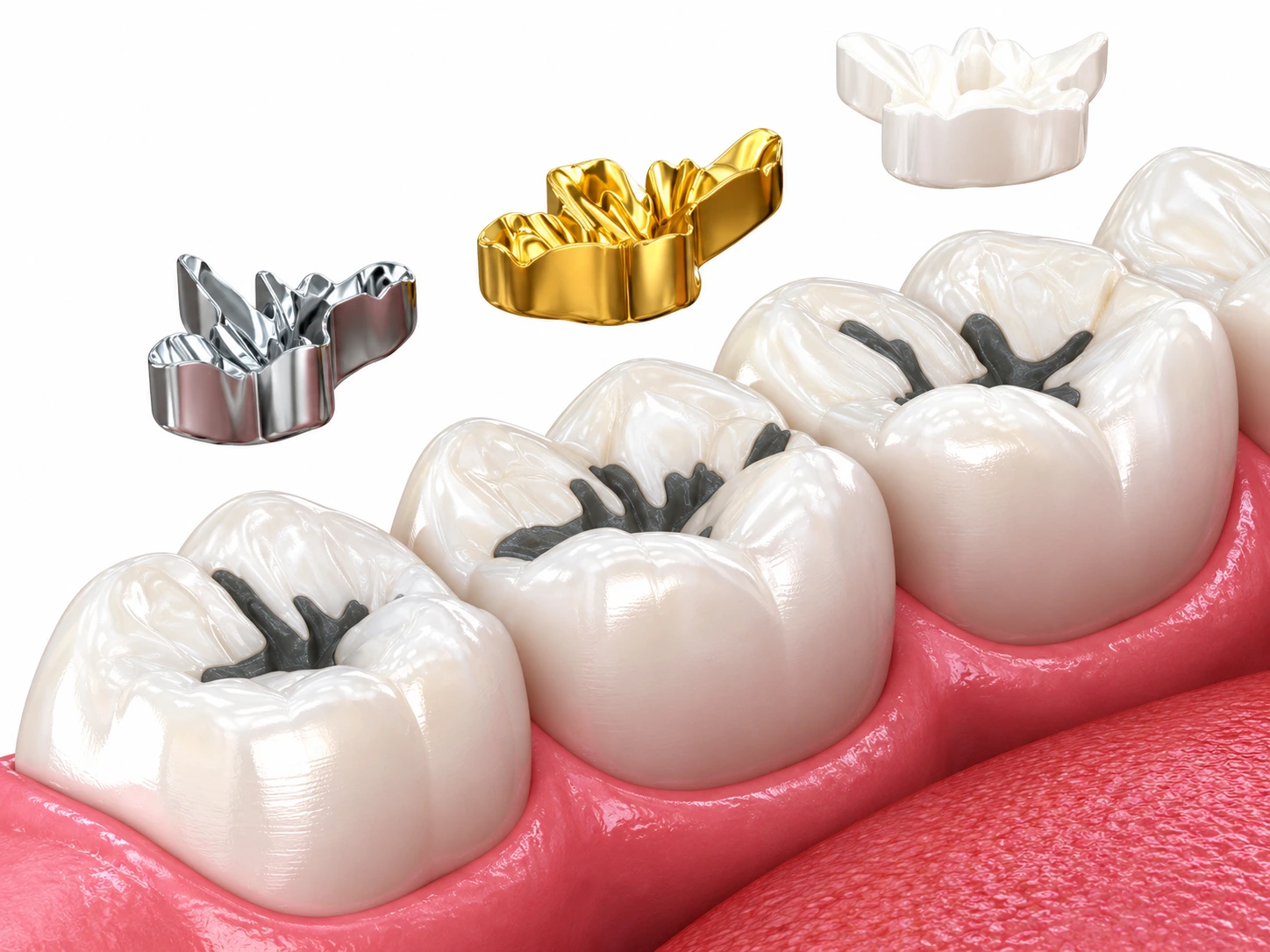
There is no single filling material that is suitable for every tooth. The choice depends on factors such as the location of the restoration, the extent of tooth damage, functional demands, appearance, and the condition of the remaining tooth structure.
Composite Resin
Composite resin is a tooth-coloured restorative material commonly used when appearance is an important consideration. It can be shaped to blend with the surrounding tooth structure.
Glass Ionomer
Glass ionomer is another restorative material with properties that can make it suitable for selected clinical situations. Its use depends on the tooth and the specific restorative requirement.
Ceramic Inlays and Onlays
For some situations where a conventional filling may not be the most appropriate option, ceramic inlays or onlays can provide a more extensive form of restoration while retaining appropriate tooth structure.
The dentist should explain why a particular material or restoration is appropriate for your tooth rather than selecting an option based on appearance or price alone.
What Should You Know Before Getting a Dental Filling?
Before proceeding with a filling, understanding the condition of the tooth and the proposed treatment can make the consultation more useful.
| Before Getting a Filling | What It Means for You |
|---|---|
| Confirm the cause of the problem | Sensitivity, discomfort, or visible tooth changes can have different causes, so the tooth should be assessed properly. |
| Ask whether a filling is suitable | Some teeth may require a different restorative treatment depending on the amount of damage. |
| Understand the condition of the tooth | The amount of healthy tooth structure remaining can influence the restoration that is recommended. |
| Discuss material options | Different materials have different properties, so ask why a particular option is suitable for your tooth. |
| Understand the treatment process | Knowing how the tooth will be prepared, restored, shaped, and checked can reduce uncertainty. |
| Ask about immediate aftercare | Your dentist can explain what to expect after treatment and whether any temporary precautions are needed. |
| Think about long-term maintenance | A restoration repairs the affected area, but protecting the tooth also depends on ongoing oral care and dental monitoring. |
A useful dental consultation should therefore answer more than "How much does a filling cost?" It should also establish whether a filling is appropriate, what the restoration involves, and what the tooth may need in the future.
How Do You Know If You Might Need a Dental Filling?
A dental filling may be needed when a tooth has developed decay or localized structural damage that requires restoration. However, symptoms alone cannot confirm that a filling is necessary.
Some signs that may justify a dental examination include:
Tooth Sensitivity
You may notice a sharp or uncomfortable sensation when consuming something cold, hot, sweet, or acidic. Sensitivity can occur for several reasons, so it should not automatically be assumed to be a cavity.
A Visible Hole or Darkened Area
A noticeable pit, hole, rough area, or change in tooth colour can sometimes indicate structural changes associated with decay. Some cavities, however, are difficult to see without professional examination.
Pain When Biting
Discomfort when chewing or biting may indicate a problem within or around the tooth. The cause needs to be assessed because biting pain can have several possible explanations.
Food Frequently Getting Trapped
If food repeatedly becomes lodged in the same area between or around teeth, it may be worth having the area examined. Changes in tooth structure or the contact between teeth can sometimes contribute to food trapping.
A Rough or Chipped Tooth
A tooth that suddenly feels rough with the tongue or develops a small chip may require assessment to determine whether restoration is appropriate.
Intermittent Toothache
A tooth does not necessarily need to hurt continuously for a problem to exist. Occasional discomfort may warrant assessment, particularly if it keeps returning or becomes more noticeable over time.
Changes Around an Existing Filling
Sensitivity, discomfort, roughness, or a change around an older restoration can be a reason to have the tooth checked.
The important point is that symptoms can indicate that something needs attention, but they do not determine the treatment by themselves. A dentist needs to examine the tooth before deciding whether a filling is appropriate.
Can You Have a Cavity Without Tooth Pain?
Yes. A cavity can develop without causing noticeable pain, particularly during its earlier stages.
Tooth decay can progress gradually through the tooth's outer structures before reaching areas where irritation is more likely to produce significant discomfort. As a result, someone may have a cavity without experiencing the classic toothache they expect.
This is one reason relying only on pain can be misleading.
A person may notice:
-
No symptoms at all
-
Occasional sensitivity
-
A small change in the tooth's appearance
-
Food trapping around a particular area
-
Mild discomfort that comes and goes
Some cavities may only become apparent during a routine dental examination or through appropriate diagnostic assessment.
Why Does This Matter?
Waiting for pain before arranging an examination can mean that a dental problem has had more time to develop.
Regular dental assessments can help identify changes that are not yet producing obvious symptoms. Early detection can give the dentist more opportunity to consider conservative treatment when clinically appropriate.
Can a Small Cavity Heal on Its Own?
It depends on whether the tooth has experienced early mineral loss or an established cavity.
In the earliest stages of tooth decay, minerals can be lost from the tooth surface. Under favourable conditions, saliva and fluoride can support remineralisation of areas that have not yet developed into a physical cavity.
Once decay has progressed to an established cavity with actual loss of tooth structure, the damaged area does not simply grow back. The tooth may require restorative treatment to replace the lost structure.
This distinction is important because the words "early decay" and "cavity" are not always interchangeable.
Early Mineral Loss
Early changes may sometimes be managed through measures such as:
-
Improving oral hygiene
-
Reducing frequent exposure to sugary foods and drinks
-
Using fluoride appropriately
-
Maintaining regular dental care
-
Addressing factors that increase decay risk
Established Cavity
When a cavity has formed, the lost tooth structure cannot be restored simply through brushing or remineralisation. A dentist must assess the extent of the defect and determine whether restorative treatment is required.
Therefore, if you notice a suspicious area on a tooth, it is better to have it assessed rather than assuming that every early-looking problem will disappear on its own.
Is It Better to Treat a Cavity Early or Wait Until It Hurts?
In general, delaying assessment simply to see whether a cavity becomes painful is not a good strategy.
A cavity can continue to enlarge while producing little or no discomfort. As more tooth structure is lost, the treatment required may become more involved.
Early assessment allows the dentist to determine:
-
How far the problem has progressed
-
Whether the tooth has an established cavity
-
How much healthy structure remains
-
Whether a filling is suitable
-
Whether monitoring or another treatment approach is more appropriate
The key issue is not whether the tooth currently hurts. It is whether there is a problem that needs attention and what stage it has reached.
Seeking professional assessment early can help avoid making pain the trigger for dental care.
What Happens If You Leave a Cavity Untreated?
An untreated cavity can continue to remove tooth structure over time.
As the damaged area becomes larger, several changes may occur:
More Tooth Structure Can Be Lost
Decay progressively compromises the affected part of the tooth. A larger defect can make restoration more complex than a smaller one.
Sensitivity May Develop
As the affected area progresses, the tooth may become increasingly sensitive to temperature, sweetness, or other triggers.
Discomfort Can Increase
A previously quiet cavity may eventually become painful or uncomfortable, although the timing and severity vary between individuals.
The Tooth Can Become Structurally Weaker
Substantial loss of tooth structure can reduce the tooth's structural strength and may increase the risk of further damage.
Deeper Dental Treatment May Become Necessary
If decay progresses sufficiently, a simple filling may no longer be adequate. Depending on the condition of the tooth, more extensive restorative or endodontic treatment may be required.
The Problem May Affect Daily Function
Advanced dental problems can interfere with chewing, comfort, sleep, or normal eating.
This does not mean every untreated cavity will progress at the same speed or eventually require extensive treatment. The important point is that an established cavity should not be assumed to remain unchanged.
How Quickly Can a Cavity Get Worse?
There is no single timeline that applies to every cavity.
The rate of progression can vary considerably between people and between individual teeth. Factors that can influence the risk and progression of decay include:
-
Frequency of sugar exposure
-
Oral hygiene
-
Fluoride exposure
-
Saliva flow and oral environment
-
Location of the affected tooth
-
Difficulty cleaning the area
-
Existing dental conditions
-
Individual susceptibility to decay
-
Whether the problem is detected and managed early
A cavity that appears small may therefore need a different level of attention from another cavity that looks similar but is progressing in a higher-risk environment.
Because progression cannot be predicted accurately from symptoms alone, a dentist's examination is more useful than relying on a fixed timeframe such as "a cavity will become serious in a few months."
Can Tooth Sensitivity Mean You Have a Cavity?
It can, but tooth sensitivity does not automatically mean you have a cavity.
Sensitivity may occur when the tooth becomes more responsive to temperature, sweetness, or other stimuli. Decay is one possible cause, but other dental issues can also produce sensitivity.
For example, sensitivity may be associated with:
-
Tooth wear
-
Gum recession
-
Exposed root surfaces
-
Enamel erosion
-
Cracked or damaged teeth
-
Existing restorations
-
Other dental conditions
The pattern of sensitivity can provide useful information, but it is not enough to identify the underlying cause with certainty.
If sensitivity repeatedly affects the same tooth or becomes more frequent, a dental examination can help determine what is actually causing it.
What Can Increase the Risk of Developing More Cavities?
Having one cavity does not mean that other teeth will definitely develop decay, but it can be a reason to pay closer attention to the factors that influence oral health.
Common contributors to increased cavity risk include:
Frequent Sugar Exposure
Repeated consumption of sugary foods and drinks can create conditions that favour acid production by oral bacteria.
Plaque Accumulation
Areas where plaque remains for prolonged periods can be more difficult for the tooth to tolerate, particularly when combined with frequent sugar exposure.
Inadequate Fluoride Exposure
Fluoride plays an important role in helping protect tooth enamel and supporting remineralisation.
Difficult-to-Clean Areas
Deep grooves, crowded areas, spaces between teeth, and other hard-to-clean surfaces may allow plaque to remain despite regular brushing.
Irregular Dental Monitoring
Some dental problems are difficult to detect at home. Regular professional examinations can help identify changes before they become more advanced.
Individual Oral Conditions
Saliva, previous dental history, oral hygiene habits, diet, and other individual factors can all influence cavity risk.
For someone who has already needed a filling, the goal should not simply be to restore the affected tooth. Preventing new decay also helps protect the rest of the teeth.
What Does a Dentist Check Before Recommending a Filling?
A dentist does not decide on a filling based only on whether a tooth hurts. The tooth needs to be assessed to determine the cause of the problem, the extent of damage, and whether a filling can restore it appropriately.
During an examination, the dentist may consider:
-
Location of the affected area — decay or damage in different parts of a tooth can require different restorative approaches
-
Extent of tooth structure loss — the amount of healthy structure remaining helps determine whether a filling can provide adequate support
-
Depth of the problem — a deeper lesion may require a different treatment plan from a small, localized cavity
-
Symptoms and their pattern — sensitivity, discomfort, or biting problems can provide useful clinical information
-
Condition of existing restorations — an older filling may need assessment for recurrent decay, deterioration, fracture, or other problems
-
Surrounding teeth and tissues — the dentist may also assess neighbouring areas when determining the source of a patient's symptoms
-
Additional diagnostic assessment — depending on the situation, further examination or dental imaging may be recommended
The purpose of this assessment is to avoid treating the visible problem without understanding the condition of the tooth underneath it.
When Might a Tooth Need Treatment Other Than a Filling?
A filling may not provide enough coverage or support when a tooth has more extensive damage.
Depending on the clinical findings, a dentist may consider options such as:
Dental Crown
A crown covers a larger portion of the visible tooth and may be considered when substantial tooth structure has been lost and additional protection is needed.
Root Canal Treatment
If the inner pulp of the tooth has become significantly affected by decay, trauma, or another problem, root canal treatment may be considered rather than simply placing a filling.
Inlays or Onlays
For certain larger areas of tooth damage, an inlay or onlay may provide a more appropriate restoration than a conventional filling.
Other Restorative Approaches
The appropriate option depends on the tooth's condition, remaining structure, function, and overall treatment objectives.
The important question is therefore not simply "Can I get a filling?" but "What restoration is appropriate for this tooth?"
What Is the Difference Between a Filling and a Dental Crown?
A filling generally restores a localized area of lost or damaged tooth structure. It is often considered when the remaining tooth can adequately support the restoration.
A crown provides broader coverage over the tooth and may be recommended when the tooth has lost more substantial structure or requires greater protection.
In simple terms:
-
Filling: restores a more limited area of damage
-
Crown: provides more extensive coverage
-
Which one is appropriate depends on the condition and strength of the individual tooth.
A dentist should assess the tooth before recommending either option. Choosing a filling simply because it costs less may not be appropriate if the tooth requires greater structural support.
Is the Cheapest Dental Filling Always the Best Choice?
Not necessarily.
Price is an important consideration for many patients, but the lowest quoted fee does not automatically represent the most appropriate treatment for a particular tooth.
A more meaningful comparison should consider:
Diagnosis
Was the tooth properly assessed before treatment was recommended?
Treatment Suitability
Is a filling actually appropriate for the amount of damage present?
Restoration Quality
Will the proposed restoration adequately restore the tooth's shape and function?
Material Selection
Is the chosen material appropriate for the location and clinical requirements of the tooth?
Tooth Preservation
Does the treatment approach aim to retain healthy tooth structure where clinically appropriate?
Long-Term Considerations
Does the restoration fit into a broader plan for maintaining the tooth and preventing further problems?
For patients comparing an affordable dental clinic in Johor Bahru, the better question is not simply "Which clinic charges the least?" but "Which clinic provides an appropriate treatment plan for my dental condition?"
What Questions Should You Ask About Your Treatment?
A dental consultation is also an opportunity to understand the reasoning behind the proposed treatment.
Useful questions include:
-
What is causing the problem with my tooth?
-
Is a filling the right treatment for this tooth?
-
How extensive is the damaged or decayed area?
-
How much healthy tooth structure remains?
-
What restorative material would you recommend and why?
-
Does the tooth need any additional diagnostic assessment?
-
What should I expect during the procedure?
-
Are there any precautions I should take immediately afterward?
-
What can I do to reduce the risk of the problem returning?
These questions can help you understand the treatment decision instead of approaching the appointment solely as a price comparison.
How Long Does a Dental Filling Last?
There is no single lifespan that applies to every dental filling.
How long a restoration remains functional can depend on several factors, including:
-
The material used
-
Size and location of the restoration
-
Amount of natural tooth structure remaining
-
Chewing forces on the tooth
-
Oral hygiene
-
Dietary habits
-
Development of new or recurrent decay
-
Condition of the surrounding tooth structure
-
Regular dental monitoring
A filling can remain functional for a considerable period when the restoration and surrounding tooth are well maintained, but it should not be considered permanently immune to wear or future dental problems.
When Should an Existing Filling Be Checked?
Arrange a dental assessment if you notice:
-
A filling feels loose or different
-
A piece of the restoration appears to be missing
-
New sensitivity develops
-
Pain occurs when biting
-
The tooth becomes rough or sharp
-
Food repeatedly becomes trapped around the area
-
The tooth or restoration changes in appearance
An existing filling should be assessed rather than automatically replaced simply because it has reached a particular age.
Can a Dental Filling Hurt?
The filling procedure itself is generally performed with appropriate local anaesthesia when required, so the dentist can manage discomfort during treatment.
You may still experience pressure, vibration, or awareness of the procedure even when the area is numbed. After treatment, some teeth can also experience temporary sensitivity as the tooth and surrounding tissues settle.
However, persistent, severe, or worsening pain should not simply be ignored. If discomfort continues or the tooth does not feel normal after treatment, contact your dentist so the restoration and tooth can be assessed.
This section concerns discomfort during or immediately following the procedure. Persistent sensitivity that develops afterward is addressed separately in the FAQs.
What Should You Avoid After Getting a Dental Filling?
Your dentist's instructions should take priority because aftercare can vary depending on the treatment and material used.
In general, patients may be advised to:
-
Be careful while the mouth is still numb
-
Avoid accidentally biting the cheek, tongue, or lip
-
Follow any specific eating instructions provided by the dentist
-
Maintain normal oral hygiene unless told otherwise
-
Pay attention to unusual or persistent symptoms
-
Contact the clinic if the restoration feels abnormal or the tooth develops significant discomfort
You do not need to stop caring for the restored tooth simply because it has received a filling. Daily brushing, cleaning between the teeth, and appropriate dental care remain important for protecting the surrounding tooth structure.
A Small Restoration Still Deserves Specialist Attention
A filling may occupy only a small part of a tooth, but the decision behind that restoration can involve much more than simply filling a hole.
Specialist Background in Restorative Dentistry
Dr. Harveender Kaur has a restorative dentistry background, with qualifications including:
-
DResDent – Malaysia, 2024
-
M.Oral Sci in Restorative Dentistry – Malaysia, 2021
-
BDS – India, 2017
Her clinical background is particularly relevant to treatment involving the restoration and rehabilitation of damaged teeth.
Experience in Restorative and Aesthetic Dentistry
With over 8 years of experience, her areas of interest include Restorative and Aesthetic Dentistry, Smile Makeovers, and Full Mouth Rehabilitation.
This broader restorative perspective is relevant because restoring a tooth is not only about repairing the visible defect. The dentist also needs to consider function, appearance, remaining tooth structure, and the longer-term condition of the tooth.
A Restoration Should Fit the Tooth
Good restorative planning considers the individual tooth rather than applying the same solution to every cavity.
The objective is to determine whether a filling is suitable, what type of restoration is appropriate, and how the restored tooth can continue to function as part of the patient's overall oral health.
What Can Patients Expect When Discussing a Dental Filling at Asiaa Dental?
A useful consultation should allow patients to understand what is happening with their tooth before treatment begins.
The discussion can cover:
-
The condition identified during the dental examination
-
Whether a filling is suitable
-
The extent of the affected area
-
Available restorative options
-
Material considerations
-
The proposed treatment process
-
The expected aftercare
-
The applicable treatment cost
-
Any concerns or questions the patient may have
Asiaa Dental provides tooth filling treatment in Johor Bahru and describes its approach around personalized treatment planning and dental assessment.
This type of consultation is particularly useful when a patient is unsure whether a sensitivity, visible cavity, chipped area, or other tooth concern actually requires a filling.
How Can You Choose a Dental Clinic for a Filling in JB?
Choosing a dental clinic should involve more than comparing treatment prices.
Look for a clinic where you can:
Understand the Diagnosis
The dentist should explain what has been identified and what it means for the affected tooth.
Discuss Treatment Options
You should understand why a filling is being recommended and whether other restorative options need to be considered.
Ask Questions Comfortably
A good consultation should allow you to raise concerns about treatment, discomfort, materials, and aftercare.
Consider Relevant Expertise
For restorative treatment, experience and training in restorative dentistry can be particularly relevant when treatment decisions involve damaged or extensively restored teeth.
Look for Clear Treatment Communication
Clear explanations can help you understand what you are paying for and why a particular treatment has been proposed.
Consider Practical Convenience
Location, appointment availability, accessibility, and continuity of care can also matter when choosing where to receive dental treatment.
Patients searching for a dental clinic in JB or looking for tooth filling Johor Bahru options should therefore compare the overall treatment experience rather than relying on one ranking factor.
Before Choosing a Filling, Understand What Your Tooth Needs
A dental filling can be an effective way to restore a tooth when the affected area is suitable for that type of treatment. But the right decision begins with diagnosis rather than price, symptoms, or assumptions.
Understanding the condition of the tooth, the amount of remaining healthy structure, the available restorative options, and the reason for the dentist's recommendation can help you make a more informed decision.
Whether you are dealing with a visible cavity, recurring sensitivity, a damaged tooth, or an older restoration that no longer feels right, professional assessment can help clarify the next step.
Frequently Asked Questions About Dental Filling Cost in JB
How Much Does a Dental Filling Cost in JB?
A dental filling at Asiaa Dental costs RM100–RM250 per tooth. The applicable price depends on the individual tooth and the restorative treatment required. A dental examination helps determine whether a filling is suitable and what treatment the tooth needs.
What Is a Dental Filling Used For?
A dental filling is used to restore a tooth affected by decay or certain types of localized damage. The dentist removes the affected structure and restores the area with a suitable material to help regain the tooth's shape and function.
Do I Need a Filling If I Have No Tooth Pain?
Not necessarily, but the absence of pain does not rule out a cavity. Early decay can develop without noticeable symptoms. A dental examination can identify problems that may not yet be causing discomfort and determine whether treatment is required.
Can a Small Cavity Heal Without a Filling?
Very early mineral loss may sometimes be managed through remineralisation, but an established cavity cannot grow its lost tooth structure back. If a physical cavity has formed, your dentist needs to assess whether restorative treatment such as a filling is necessary.
Can Tooth Sensitivity Mean I Need a Filling?
Yes, sensitivity can sometimes be associated with tooth decay, but it does not automatically mean you need a filling. Sensitivity can have several causes, so the affected tooth should be examined to identify the underlying problem.
Can I Get a Filling If My Tooth Is Already Painful?
Possibly, but it depends on the cause and extent of the tooth problem. A dentist needs to examine the tooth first. If the problem is deeper or more extensive, treatment other than a simple filling may be recommended.
How Long Does a Dental Filling Last?
A dental filling does not have one fixed lifespan. Its longevity can depend on the material, size and location of the restoration, chewing forces, oral hygiene, diet, and the condition of the surrounding tooth.
Can an Old Dental Filling Be Replaced?
Yes, an old filling can be replaced when it is damaged, worn, affected by recurrent decay, or no longer adequately restores the tooth. Your dentist should examine both the filling and the underlying tooth before recommending replacement.
What Should I Do If My Dental Filling Falls Out?
Contact a dentist for an assessment if your filling falls out. Keep the area clean and avoid putting unnecessary pressure on the tooth. The dentist can determine whether the filling can be replaced or whether another restoration is more appropriate.
Can a Filled Tooth Become Sensitive After Treatment?
Yes, some temporary sensitivity can occur after a filling, but persistent or worsening symptoms should be checked. The dentist can assess whether the sensitivity is related to the restoration, the tooth, or another dental condition.
Can I Eat Normally After a Dental Filling?
You can generally return to normal eating once the numbness has worn off and your dentist has advised that it is safe. Avoid chewing while your mouth is numb to prevent accidentally biting your cheek, tongue, or lip.
Can I Brush My Teeth After Getting a Filling?
Yes, you can generally continue brushing and cleaning your teeth normally after a filling. Good oral hygiene helps protect the restored tooth and surrounding teeth from plaque and future decay. Follow any specific aftercare instructions given by your dentist.
What Happens If I Leave a Cavity Untreated?
An untreated cavity can become larger and lead to greater loss of tooth structure. Over time, it may cause sensitivity, discomfort, or more extensive damage, potentially requiring treatment beyond a simple filling.
How Can I Prevent More Cavities After Getting a Filling?
Regular brushing with fluoride toothpaste, cleaning between the teeth, limiting frequent sugary foods and drinks, and maintaining regular dental check-ups can help reduce the risk of new cavities. Your dentist can also recommend preventive care based on your individual risk.
Finding the Right Dental Care in Johor Bahru
If you are unsure whether a tooth needs a filling, the most useful next step is a dental examination rather than trying to determine the treatment from symptoms alone. A proper assessment can help identify the cause of the problem, determine whether a filling is appropriate, and explain the treatment options available for your particular tooth.
For patients looking for dental care in Johor Bahru, Asiaa Dental provides a convenient option in Taman Sri Tebrau.
113A, Jalan Perisai, Taman Sri Tebrau, 80050 Johor Bahru, Johor Darul Ta'zim, Malaysia
+60 11-1128 2357
Don't wait for a small tooth concern to become a bigger problem — find out what your tooth needs and take the next step with confidence. Book a consultation with Asiaa Dental to discuss your tooth concern and suitable treatment options.
Our Treatments
Accepted Cards & Wallets