Blog
Scaling & Polishing in JB: Cost, Treatment Process & Gum Care
If you are considering professional teeth cleaning in Johor Bahru, understanding what scaling and polishing involve can help you know what to expect before your appointment. At Asiaa Dental, normal scaling and polishing costs RM100–RM150, while air polishing costs RM200–RM250. The appropriate cleaning approach depends on the condition of your teeth, the amount of buildup present, and the type of professional cleaning recommended after assessment.
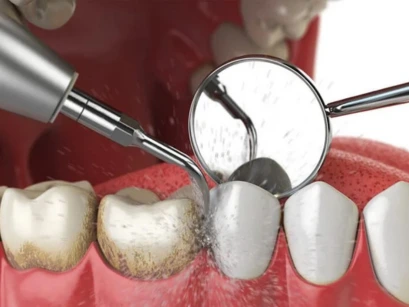
Scaling and polishing are commonly performed together as part of professional dental cleaning. Scaling focuses on removing accumulated plaque and hardened tartar from the tooth surfaces and around the gumline, while polishing helps remove certain surface stains and leaves the tooth surfaces smoother.
This guide explains how teeth scaling and polishing work, what each treatment does, how air polishing differs from conventional polishing, what happens during an appointment, and what patients should understand before choosing a professional cleaning approach.
What Is Scaling and Polishing?
Scaling and polishing are professional dental cleaning procedures that address different types of buildup on the teeth.
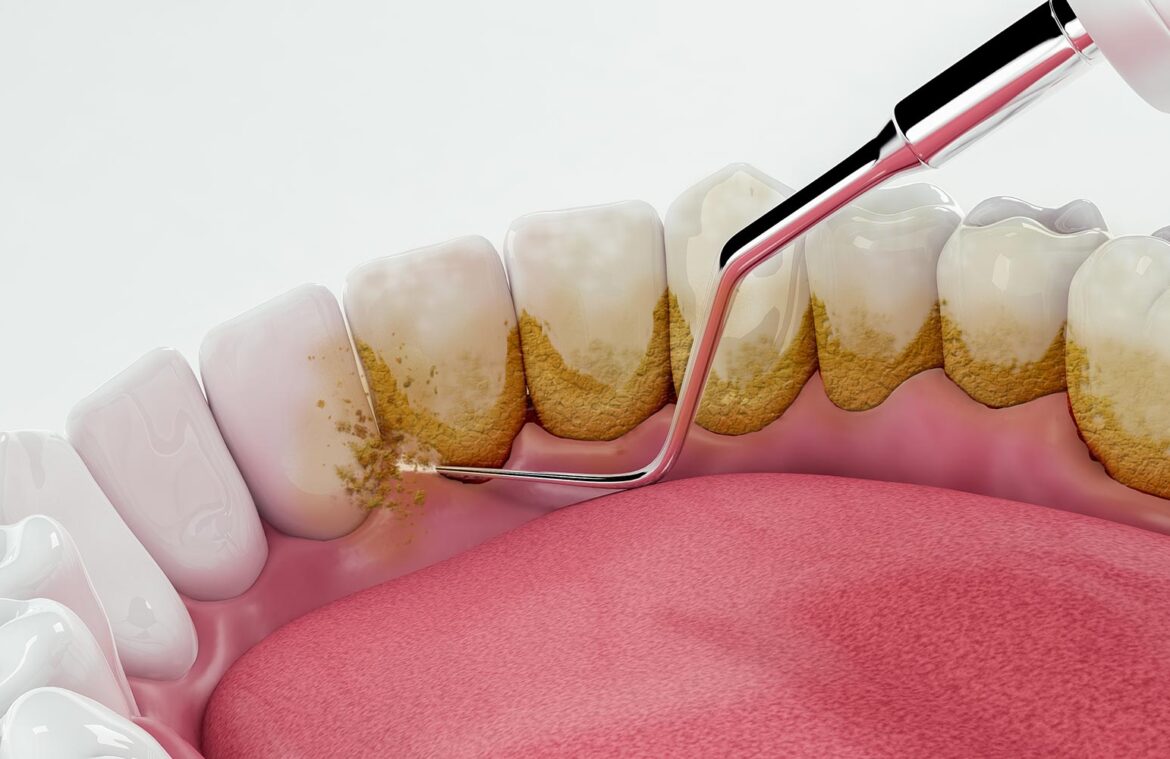
Scaling is primarily used to remove plaque and hardened deposits known as tartar or calculus. These deposits can remain even when a person brushes and cleans their teeth regularly, particularly in areas that are difficult to reach.
Polishing is generally performed after scaling to help remove certain surface stains and smooth the tooth surfaces. It can improve the clean appearance of the teeth, but it should not be confused with professional teeth whitening, which is designed to change the colour of the teeth.
Together, scaling and polishing provide a more thorough cleaning than routine brushing alone.
What Is Dental Scaling Used For?
Dental scaling is used to remove deposits that have accumulated on the tooth surfaces and around the gumline.
Plaque is a soft bacterial film that develops naturally on teeth. When it is not adequately removed, it can harden into tartar or calculus. Unlike soft plaque, hardened tartar generally cannot be removed effectively with a toothbrush at home.
Professional scaling allows these deposits to be removed using dental instruments appropriate for the patient's teeth and oral condition.
The treatment can focus on areas such as:
-
Tooth surfaces where tartar has accumulated
-
Areas around the gumline
-
Difficult-to-clean surfaces
-
Localized areas with visible deposits
-
Other accessible areas where professional cleaning is required
The amount of buildup is different for every patient, so the cleaning approach may vary from one appointment to another.
What Does Teeth Polishing Do?
Teeth polishing is primarily intended to clean and smooth the tooth surfaces after scaling.
Polishing can help remove certain extrinsic or surface-level stains, including some discoloration associated with common dietary and lifestyle exposures. Removing these deposits can make the teeth appear cleaner without changing their natural underlying colour.
It is important to understand that polishing is not the same as teeth whitening. Polishing addresses surface deposits and stains, whereas whitening treatments are designed specifically to lighten the natural colour of teeth.
For patients seeking teeth polishing in Johor Bahru, understanding this distinction can help set realistic expectations about what professional polishing can achieve.
What Is the Difference Between Scaling and Polishing?
Although scaling and polishing are often performed during the same appointment, they serve different purposes.
-
Scaling: focuses on removing plaque, tartar, and calculus from the teeth and around the gumline
-
Polishing: focuses mainly on surface stains and smoothing the tooth surfaces after cleaning
-
Scaling and polishing together: provide a more complete professional cleaning approach by addressing both hardened deposits and selected surface discoloration
This is why Teeth Scaling JB and Teeth Polishing JB are not interchangeable terms. Each procedure contributes differently to the overall cleaning process.
What Is Air Polishing and How Is It Different?
Air polishing uses a controlled stream of air, water, and polishing particles to clean and polish tooth surfaces.
Compared with conventional polishing, air polishing can provide a different approach to removing certain surface stains and deposits. Whether it is suitable depends on the patient's teeth, the type of staining or buildup present, and the dentist's assessment.
Air polishing is therefore not simply a higher-priced version of routine polishing. It is a different cleaning technique that may be recommended when clinically appropriate.
For patients comparing scaling and polishing Johor Bahru options, asking which polishing method is being offered can help them understand what the treatment actually involves.
What Happens During a Scaling and Polishing Appointment?
A professional cleaning appointment generally follows a series of steps designed around the patient's oral condition.
1. Oral Assessment
The dentist or dental professional first examines the teeth and surrounding oral structures to understand the condition of the mouth and identify areas that may require professional cleaning.
2. Evaluation of Plaque and Tartar
The amount and location of accumulated plaque and hardened deposits are assessed. This helps determine the areas that require scaling.
3. Professional Scaling
Dental instruments are used to remove tartar and other accumulated deposits from the accessible tooth surfaces and around the gumline.
4. Polishing
After scaling, polishing is performed to help remove suitable surface stains and smooth the cleaned tooth surfaces.
5. Final Check
The treated areas are reviewed to ensure the cleaning has been completed appropriately and to identify whether any further dental attention may be needed.
6. Oral Hygiene Guidance
Patients may receive practical advice on maintaining cleaner teeth and supporting good oral hygiene between professional dental visits.
The exact appointment can vary depending on the amount of buildup, the condition of the teeth and gums, and whether any additional dental concerns are identified during assessment.
What Should You Know Before Getting Teeth Scaling?
A professional cleaning is more useful when patients understand what the procedure is intended to address and what it cannot do.
| Before Teeth Scaling | What It Means for You |
|---|---|
| Understand the purpose | Scaling is primarily intended to remove plaque and hardened tartar that cannot be effectively removed through routine brushing. |
| Know what polishing does | Polishing mainly addresses suitable surface stains and smooths tooth surfaces after scaling. |
| Discuss sensitivity | Tell the dental team if your teeth are sensitive so your concerns can be considered during treatment. |
| Ask about air polishing | If air polishing is available, ask whether it is appropriate for your particular cleaning needs. |
| Understand the treatment approach | The cleaning method can vary according to the amount and location of deposits and the condition of your teeth and gums. |
| Follow professional guidance | Your dentist can explain any recommendations relevant to maintaining your oral hygiene after the appointment. |
Understanding the difference between teeth scaling, conventional polishing, and air polishing makes it easier to have a more informed discussion about which professional cleaning approach is appropriate for you.
How Do You Know You Might Need Dental Scaling?
You may benefit from professional dental scaling when plaque or hardened tartar has accumulated on the teeth, particularly around areas that are difficult to clean effectively at home. Some changes in your mouth can also indicate that it is worth arranging a dental assessment.
Common signs include:
-
Visible tartar buildup along the teeth or near the gumline
-
Bleeding gums during brushing or flossing
-
Persistent bad breath despite regular oral hygiene
-
Rough deposits that do not disappear after brushing
-
Yellowish or brown surface staining
-
Plaque accumulating repeatedly in the same areas
-
Gum changes that appear alongside plaque or tartar buildup
These signs do not determine the exact treatment required. A dental assessment can establish whether routine scaling and polishing are appropriate or whether another type of dental care is needed.
Who Is Suitable For Scaling & Polishing?
Scaling and polishing may be suitable for people who have accumulated plaque, tartar, calculus, or surface stains that cannot be fully removed through regular brushing and flossing. It is commonly part of professional dental cleaning and preventive oral care, especially when deposits have developed around the gumline or other difficult-to-clean areas.
You may benefit from professional scaling and polishing if you have:
-
Visible tartar or hardened deposits on your teeth
-
Frequent plaque buildup around the gumline
-
Surface stains from coffee, tea, or other staining foods and drinks
-
Bleeding or irritated gums associated with plaque or tartar buildup
-
Persistent mouth odour that may be related to oral deposits
-
Rough areas on the teeth that remain after brushing
-
Difficulty cleaning certain areas of your teeth effectively
-
A need for professional dental cleaning as part of preventive oral care
The frequency and type of cleaning can vary from person to person. Your oral hygiene, amount of tartar, gum condition, tooth sensitivity, and existing dental concerns can influence whether routine scaling and polishing is appropriate. A dental assessment can help determine the most suitable approach.
Can You Have Tartar Without Tooth Pain?
Yes. Tartar can accumulate without causing tooth pain.
Tartar is hardened plaque that develops on tooth surfaces when plaque is not adequately removed. Its presence does not necessarily produce an immediate painful sensation, which means a person may have significant buildup without realizing it.
You may instead notice:
-
Roughness around the teeth
-
Visible deposits
-
Bleeding during brushing
-
Persistent mouth odour
-
Changes around the gumline
This is one reason regular dental assessments can be useful even when your teeth do not hurt. Pain is not a reliable way to determine whether professional cleaning is needed.
What Is the Difference Between Plaque and Tartar?
Plaque is a soft bacterial film, while tartar is hardened plaque that has accumulated on the teeth.
Plaque develops naturally throughout the day and can usually be disrupted through effective brushing and cleaning between the teeth. If plaque remains on the tooth surface, it can harden into calculus or tartar.
Once hardened, tartar is difficult to remove effectively with normal home brushing. Professional Teeth Scaling Johor Bahru services are designed to remove these deposits from areas that require dental instruments.
Understanding this difference also explains why maintaining daily oral hygiene is important: preventing plaque from accumulating can help reduce the amount of tartar that develops.
Can Tartar Cause Bad Breath?
Tartar can contribute to bad breath because it provides a surface where plaque and bacteria can accumulate. However, bad breath does not always come from tartar.
Other factors may include oral hygiene, gum conditions, food debris, dry mouth, diet, and other dental or health-related causes.
Professional scaling can remove accumulated tartar and improve oral cleanliness, but persistent bad breath should be assessed rather than automatically attributed to tartar.
If unpleasant breath continues despite good oral hygiene and professional cleaning, discussing it with a dentist can help identify the underlying cause.
Can Scaling Help Bleeding Gums?
Scaling can help when bleeding gums are associated with plaque and tartar buildup, but bleeding gums should not simply be treated as a cleaning issue.
Plaque accumulation around the gumline can contribute to gum inflammation, which may make the gums more likely to bleed during brushing or cleaning.
A dental assessment can help determine whether the bleeding is related to local deposits or whether there are other gum-health concerns that require attention.
For this reason, Teeth Scaling JB should be considered as part of an overall approach to oral and gum health rather than simply as a cosmetic cleaning procedure.
Can Scaling Remove Yellow Teeth?
Scaling can remove certain external deposits and surface stains, which may make teeth look cleaner. However, it does not change the natural underlying colour of the teeth.
Yellowish teeth can have different causes. Some discoloration may come from surface deposits, while other colour differences can be related to the natural tooth structure or deeper staining.
Professional scaling and polishing can therefore improve the appearance of teeth when surface buildup is contributing to the discoloration, but it should not be presented as a replacement for teeth whitening.
Can Teeth Become Whiter After Scaling and Polishing?
Teeth can look brighter after scaling and polishing when surface deposits or stains are removed.
The effect comes from cleaning away external discoloration rather than bleaching the natural tooth colour. This distinction is important for patients who are considering Teeth Polishing JB because the result they want may determine whether cleaning or a separate whitening treatment is more appropriate.
If the teeth appear darker because of accumulated plaque, tartar, or surface staining, professional cleaning may make a noticeable difference in their appearance.
Why Does Tartar Keep Coming Back After Scaling?
Tartar can return because plaque naturally forms on teeth every day.
Even after professional cleaning removes existing deposits, new plaque can accumulate. If it remains on the tooth surfaces and eventually hardens, tartar can develop again.
Factors that may influence how quickly buildup returns include:
-
Daily brushing and interdental cleaning habits
-
Frequency of sugary foods and drinks
-
Areas that are difficult to clean
-
Individual saliva and oral conditions
-
Existing dental or gum concerns
-
How regularly professional dental care is maintained
Scaling removes existing buildup; maintaining good oral hygiene helps reduce the opportunity for new deposits to accumulate.
What Happens If Tartar Is Left Untreated?
Leaving substantial tartar buildup without professional assessment can contribute to ongoing plaque accumulation and gum irritation.
Over time, untreated buildup may be associated with:
-
Persistent gum inflammation
-
Bleeding during brushing
-
Bad breath
-
Changes in gum health
-
Increasing difficulty maintaining clean tooth surfaces
More advanced gum problems may require care beyond routine scaling and polishing. The appropriate treatment depends on the condition of the gums and supporting tissues rather than simply on how much tartar is visible.
For that reason, professional cleaning should be viewed as part of preventive dental care and gum-health maintenance, rather than only a way to make the teeth look cleaner.
How Often Should You Get Scaling and Polishing?
There is no single schedule that is suitable for every patient. How often you need professional cleaning can depend on your oral hygiene, the amount of plaque and tartar that tends to accumulate, your gum health, and your individual dental needs.
Some people may build up deposits more quickly than others, while patients with good daily oral hygiene may require professional cleaning at a different interval.
Rather than following a fixed schedule simply because it is commonly recommended, it is better to discuss an appropriate cleaning interval with your dentist based on your oral condition.
Is Dental Scaling Painful?
Dental scaling can feel different from person to person, and some patients may experience temporary sensitivity or discomfort during the procedure.
The sensation can depend on factors such as the amount of tartar present, the location of the deposits, tooth sensitivity, and the condition of the gums.
Patients may notice sensations such as:
-
Pressure or vibration from the dental instruments
-
Mild sensitivity around certain teeth
-
Greater sensitivity in areas with exposed tooth surfaces
-
Temporary discomfort around areas with significant deposits
If you are concerned about sensitivity, mention it before the procedure so the dental team can take your comfort into consideration.
Can Scaling Damage Your Teeth?
Professional dental scaling is intended to remove plaque and hardened tartar without unnecessarily removing healthy tooth structure.
A common concern is that teeth may feel different after tartar has been removed. This can happen because deposits that were covering parts of the tooth are no longer present, making the natural tooth surfaces more noticeable.
Temporary sensitivity can also occur after cleaning, particularly in areas where deposits were substantial or where tooth surfaces are already sensitive.
Professional scaling should therefore be distinguished from attempting to scrape tartar away at home with unsuitable objects, which can potentially injure the teeth or gums.
Is Scaling Safe for Sensitive Teeth?
People with sensitive teeth can often receive professional scaling, but the cleaning approach should take their sensitivity into account.
Sensitivity may be related to several factors, including exposed tooth surfaces, gum recession, enamel wear, or other dental conditions. This means the cause of sensitivity is relevant when planning professional cleaning.
If you already know that certain teeth are sensitive, tell your dentist before treatment. This allows the dental team to understand your concerns and determine an appropriate approach.
Does Scaling Make Gaps Between Teeth Bigger?
Scaling does not normally create new spaces between healthy teeth. However, removing accumulated tartar can sometimes make spaces that were previously hidden by deposits more noticeable.
Large deposits can occupy areas around or between teeth. Once they are professionally removed, the underlying tooth surfaces and existing spaces become visible again.
This can make a patient feel that a gap has suddenly appeared, even though the cleaning has simply revealed the actual contours of the teeth and surrounding tissues.
If you notice a significant change in spacing after tartar removal, discussing it with your dentist can help determine what has changed.
Can Scaling Replace Treatment for Gum Disease?
Routine scaling and polishing should not be considered a replacement for all forms of gum disease treatment.
Professional cleaning can remove plaque and tartar that contribute to gum problems, but some periodontal conditions may involve deeper areas around the teeth that require more specific assessment and treatment.
The appropriate approach depends on the condition of the gums and supporting tissues. A dentist with periodontal expertise can determine whether routine cleaning is sufficient or whether more specialised gum treatment should be considered.
What Is the Difference Between Routine Scaling and Deep Cleaning?
Routine scaling focuses on removing plaque and hardened tartar from accessible tooth surfaces and around the gumline. It is commonly performed as part of professional dental cleaning, with polishing used afterward when appropriate to help remove certain surface stains and smooth the tooth surfaces.
Deep cleaning is different and may be recommended when deposits have accumulated below the gumline or when there are signs of periodontal problems requiring more comprehensive treatment. The cleaning approach may need to address areas that cannot be adequately managed through routine scaling alone.
The main difference is the depth and reason for treatment:
-
Routine scaling: Removes plaque and hardened tartar from accessible tooth surfaces and around the gumline
-
Deep cleaning: May address deposits below the gumline when periodontal concerns require more comprehensive care
-
Routine cleaning: Often forms part of preventive dental care for plaque and tartar buildup
-
Deep cleaning: Is considered based on the condition of the gums and supporting tissues and may form part of periodontal treatment
Routine scaling should not be considered a replacement for periodontal treatment when deeper deposits or gum disease are present. If a dental examination identifies signs that require more than routine cleaning, the dentist can recommend an appropriate treatment approach based on the condition of your teeth and gums.
When Might You Need More Than Routine Scaling?
Routine scaling may not be the only treatment required when there are signs of more complex periodontal or dental concerns.
A dentist may recommend further assessment when there is:
-
Significant or extensive tartar accumulation
-
Deeper areas around the gums that require evaluation
-
Persistent gum problems
-
Gum recession requiring assessment
-
Concerns involving the supporting tissues around teeth
-
Problems affecting tissues around dental implants
In these situations, the goal is not simply to remove visible deposits but to understand the condition of the tissues supporting the teeth and determine the appropriate treatment.
What Should You Ask Your Dentist Before Scaling?
A consultation is an opportunity to understand why professional cleaning is being recommended and what approach is appropriate for your mouth.
Useful questions include:
-
How much plaque or tartar do I have?
-
How is my current gum health?
-
Is routine scaling and polishing appropriate for me?
-
Would air polishing be suitable for my teeth?
-
Why are certain areas more difficult to keep clean?
-
Could my sensitivity have another underlying cause?
-
How often should I have professional cleaning?
-
Do I need any additional periodontal assessment?
These questions can help you understand your oral health rather than treating professional cleaning as simply a routine cosmetic procedure.
Periodontal Expertise That Supports Better Cleaning Decisions
Scaling and polishing may be a routine preventive treatment, but understanding the condition of the gums and supporting tissues can be particularly important when a patient has recurring buildup or periodontal concerns.
Dr. Muhammad Annurdin Bin Sabarudin
Dr. Muhammad Annurdin Bin Sabarudin holds a BDS from Universiti Sains Islam Malaysia, a Master of Restorative Dentistry in Periodontology from Universiti Sains Malaysia, and FRACDS from Australia.
He has 13 years of experience and has a particular interest in periodontal care, including non-surgical gum treatment, surgical gum procedures, laser surgery, gum grafting, gingival contouring, gum recession treatment, and implant-related periodontal care.
His background in periodontology is relevant when evaluating patients whose cleaning needs may involve more than routine plaque and tartar removal.
Dr. Zanarita Aspanut
Dr. Zanarita Aspanut has 15+ years of experience and a background in General Dentistry and Periodontology.
Her areas of interest include Preventive Dentistry, Periodontal Care, Invisalign, Crowns & Bridges, and Gum Health. Her preventive and periodontal focus is particularly relevant to patients looking to maintain cleaner teeth and support their long-term gum health.
She also places emphasis on explaining treatment clearly and helping patients understand each stage of their dental care.
Why Relevant Expertise Matters
Professional cleaning should be considered in the context of the patient's overall oral condition.
For some patients, routine scaling and polishing may be sufficient. Others may have gum-related concerns that require a more detailed assessment.
Relevant periodontal knowledge can therefore help ensure that professional cleaning is considered alongside the condition of the gums, teeth, and supporting tissues rather than as an isolated cosmetic procedure.
What Can Patients Expect When Discussing Scaling and Polishing at Asiaa Dental?
A professional cleaning consultation should begin with understanding the patient's current oral condition rather than automatically applying the same cleaning approach to everyone.
At Asiaa Dental, the discussion can help patients understand:
-
The amount and location of plaque or tartar present
-
The condition of the teeth and gumline
-
Whether routine scaling and polishing is appropriate
-
Whether air polishing may be suitable
-
Any areas that may require closer attention
-
Recommended oral hygiene practices
-
Whether further dental assessment is necessary
This can be particularly useful for patients who are unsure whether they need routine Teeth Scaling Johor Bahru treatment or a different approach based on their individual oral condition.
How Can You Choose a Dental Clinic for Scaling and Polishing in JB?
Choosing a dental clinic for professional cleaning involves more than comparing prices. The quality of the assessment, suitability of the treatment, and communication provided during the appointment can all matter.
Look for Proper Assessment
The dental team should assess the condition of your teeth and gums before deciding on the appropriate cleaning approach.
Consider Relevant Gum Expertise
Periodontal knowledge can be particularly valuable when cleaning needs are associated with recurring tartar, gum concerns, or other conditions affecting the tissues supporting the teeth.
Understand What the Treatment Includes
Ask whether your appointment involves scaling, conventional polishing, air polishing, or another form of professional cleaning.
Ask About Your Individual Needs
A good consultation should allow you to discuss sensitivity, staining, oral hygiene concerns, and any changes you have noticed.
Consider Hygiene and Safety Practices
Professional dental treatment should follow appropriate infection-control and sterilization procedures.
Look Beyond Price Alone
An affordable treatment may be important, but the more useful comparison is whether the clinic provides an appropriate assessment and cleaning approach for your dental needs.
For patients searching for Teeth Scaling JB, Teeth Polishing JB, or professional dental cleaning in Johor Bahru, these factors can help create a more meaningful comparison between clinics.
Frequently Asked Questions About Scaling & Polishing in JB
How Much Does Scaling and Polishing Cost in JB?
At Asiaa Dental, normal scaling and polishing costs RM100–RM150. Air polishing is priced at RM200–RM250. The appropriate cleaning method depends on the patient's oral condition and the type of professional cleaning recommended.
How Much Does Air Polishing Cost in JB?
Air polishing at Asiaa Dental costs RM200–RM250. It uses a controlled combination of air, water, and polishing particles and may be considered for suitable cleaning and surface-stain removal needs.
Is Scaling and Polishing Good for Gum Health?
Scaling and polishing can support good oral hygiene and gum health by removing accumulated plaque and hardened tartar. However, routine cleaning is not a substitute for specific periodontal treatment when a patient has more advanced gum concerns.
Does Teeth Scaling Remove Tartar Completely?
Professional scaling is designed to remove accumulated tartar from accessible tooth surfaces and around the gumline. The extent of cleaning required depends on the amount and location of deposits and the condition of the teeth and gums.
Can Scaling Remove Coffee and Tea Stains?
Scaling and polishing can remove certain surface stains caused by coffee, tea, and other external factors. The result depends on the type and depth of the staining. Staining within the tooth structure may require a different cosmetic approach.
Does Teeth Polishing Whiten Teeth?
Teeth polishing is not a teeth-whitening treatment. It can make teeth look cleaner and brighter by removing certain surface stains and deposits, but it does not bleach the natural colour of the teeth.
How Often Should I Get Scaling and Polishing?
There is no single frequency that suits everyone. Your cleaning interval can depend on tartar buildup, oral hygiene, gum health, and individual dental needs. A dentist can recommend an appropriate schedule based on your oral condition.
Can I Get Scaling If My Gums Bleed?
You may still be able to receive professional scaling when your gums bleed, but the cause of the bleeding should be assessed. Plaque and tartar can contribute to gum inflammation, while persistent bleeding may have other causes that require dental evaluation.
Will My Teeth Be Sensitive After Scaling?
Some temporary sensitivity can occur after professional scaling. This may be more noticeable in areas with existing sensitivity, gum recession, or significant deposits. If sensitivity is severe, persistent, or worsening, the tooth or gums should be assessed.
Does Scaling Make Teeth Loose?
Professional scaling does not normally make healthy teeth loose. If a tooth feels different after substantial tartar has been removed, the change may relate to the removal of deposits that had accumulated around it. Existing gum or supporting-tissue problems should be assessed by a dentist.
Can Scaling Remove Bad Breath?
Scaling can help when accumulated plaque and tartar are contributing to bad breath, but it does not address every possible cause. Persistent bad breath may be related to oral hygiene, gum conditions, dry mouth, food debris, or other factors and may require further assessment.
Can I Brush My Teeth After Scaling and Polishing?
Yes, maintaining normal oral hygiene is generally important after professional cleaning. Continue brushing and cleaning between the teeth according to your dentist's advice. If your dental team gives specific instructions, those recommendations should take priority.
Can I Eat Normally After Teeth Scaling?
Most patients can return to their normal diet after scaling and polishing, but individual advice may vary. If your teeth or gums feel temporarily sensitive, your dentist may recommend avoiding particular foods or drinks until the sensitivity settles.
What Is the Difference Between Regular Polishing and Air Polishing?
Regular polishing and air polishing use different techniques to clean and polish tooth surfaces. Conventional polishing uses a polishing instrument and paste, while air polishing uses a controlled stream of air, water, and polishing particles. The suitable option depends on the patient's needs.
Finding the Right Dental Care in Johor Bahru
If you are considering professional scaling and polishing, the most useful first step is understanding the condition of your teeth and gums and choosing a cleaning approach that matches your needs.
For patients looking for dental care in Johor Bahru, Asiaa Dental is located in Taman Sri Tebrau.
113A, Jalan Perisai, Taman Sri Tebrau, 80050 Johor Bahru, Johor Darul Ta'zim, Malaysia
+60 11-1128 2357
Don't wait until plaque or tartar becomes a bigger concern—find out what your teeth and gums need and take the next step with confidence. Book a consultation with Asiaa Dental to discuss your professional cleaning needs.
Our Treatments
Accepted Cards & Wallets